Crane rental with operatorin Brownsville, TX
An operated lift is the crane plus a certified operator and, if you need them, a rigger and a signal person, booked for one job. Tell us the load, the height and the site; local crane operators quote you directly.
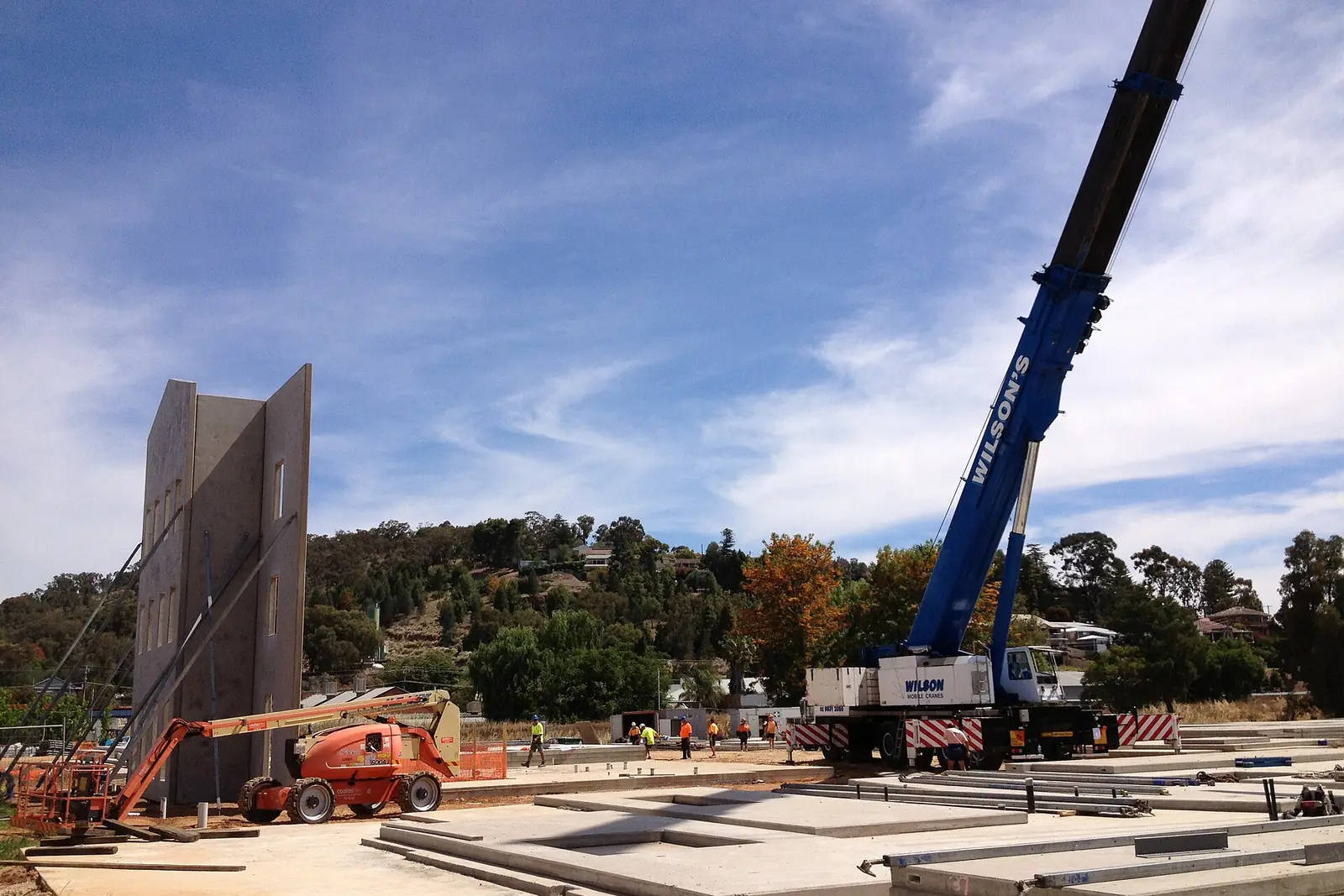
What an operated lift includes
The other option is a bare rental: the crane alone, run by your own certified operator. Say which one you want in the request.
- A crane sized to the lift
- The operator picks the crane class from the load weight, the distance from the crane to the set point and the height. It's driven or hauled to your site and set up on outriggers, with mats if the ground needs them.
- A certified operator
- Under OSHA's crane rule for construction, the employer must make sure each operator is trained, certified or licensed, and evaluated (29 CFR 1926.1427). Ask which certification the operator holds.
- Rigger and signal person, when the lift needs them
- A signal person is required when the operator can't see the load or the landing point, among other cases (29 CFR 1926.1419). Riggers attach the load with the right slings and hardware.
- A plan for the lift
- For routine picks, the operator works out the setup with you on site. Heavy, tandem or critical lifts, and many industrial sites, call for a written lift plan before the crane arrives.
Jobs that call for one
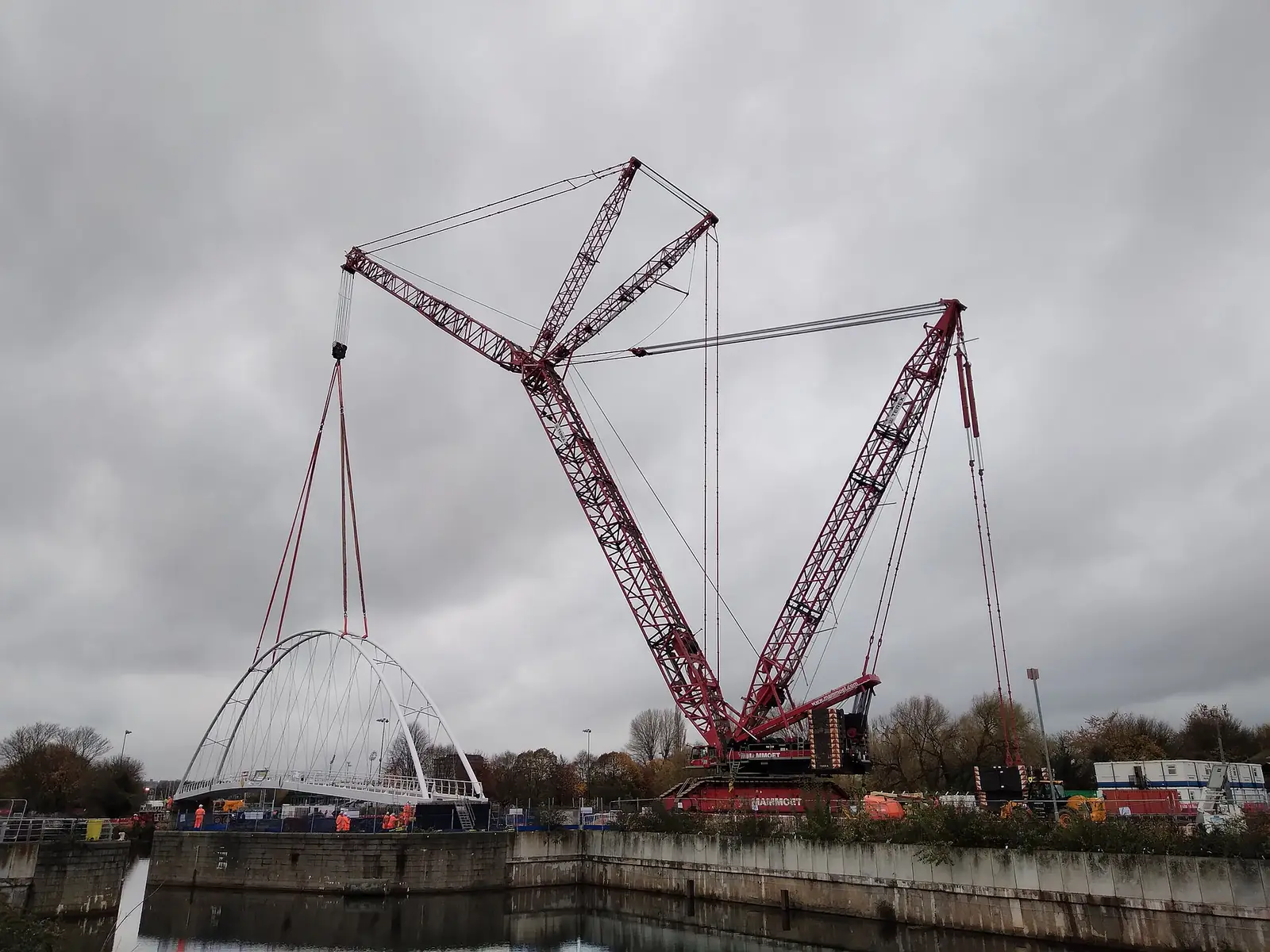
Steel and roof trusses
Setting beams, joists and trusses on commercial builds, often a day or two of picks with a crew on the deck.
Rooftop HVAC units
Packaged units and curbs onto flat roofs. A boom truck covers smaller units; heavier or farther ones need a mobile crane.
Precast and tilt-wall panels
Panels are heavy and wide. Ground preparation and outrigger mats matter as much as the crane.
Tanks, pumps and skids
Setting equipment at plants, and pulling pumps or motors during maintenance and turnarounds.
Generators and transformers
Heavy electrical gear onto pads, often with tight access and overhead lines nearby.
Port and LNG site lifts
Work inside project gates at the Port of Brownsville, where badging and safety orientation come before the crane. See industrial and port lifts.
Rules every lift runs under
Federal crane rules for construction are in OSHA's 29 CFR 1926 Subpart CC. This is general guidance, not legal advice; the operator and your site safety lead decide how the lift runs.
- Power lines
- Before work starts, the work zone is marked and checked for whether any part of the crane, load line or load could come within 20 feet of a power line at full working radius. If it could, more precautions apply; OSHA's table sets wider clearances for higher voltages (29 CFR 1926.1408).
- Operator certification
- Certification can come from an accredited testing organization, an audited employer program or a government license (29 CFR 1926.1427).
- Signals
- When the operator's view of the load is blocked, a qualified signal person directs the lift.
- Site rules
- Port and LNG project sites set their own badging and orientation. Many contractors and plants also ask for an insurance certificate naming them as additional insured; ask the operator to send it with the quote.
What to have ready
- Load weight, from the nameplate, spec sheet or shipping papers. Include rigging if you know it.
- Size of the load and where it can be picked up from.
- Where it goes: height of the set point and how far it is from where a crane can park.
- The ground where the crane would set up: paved, caliche, dirt, near a slope or a ditch.
- Overhead lines, trees or buildings between the crane and the load.
- Access: gate width, height limits, road weight limits, and when trucks can get in.
- Date and time window, plus a site contact who will be there.
- Site rules: badging, orientation, insurance certificate requirements.
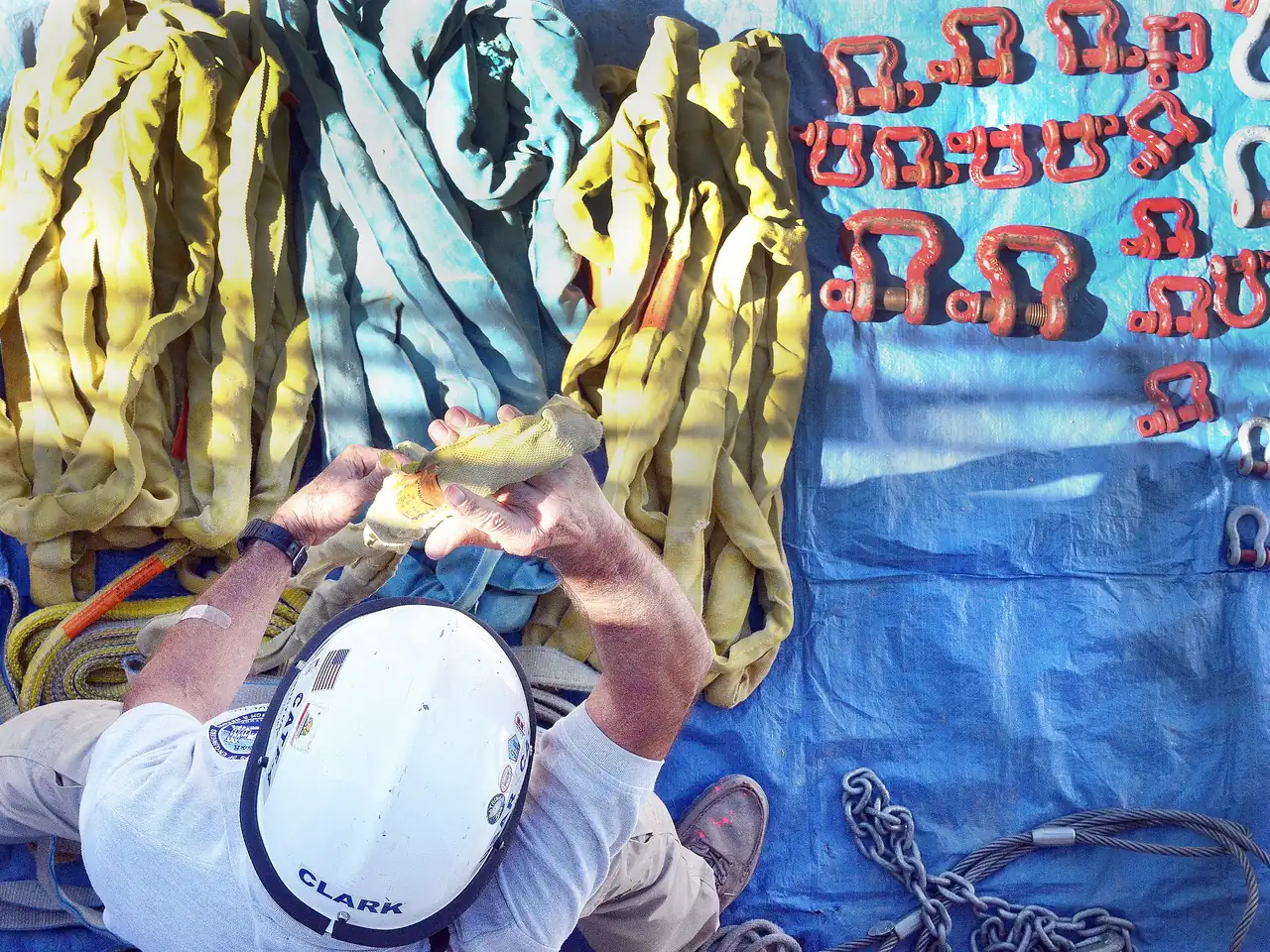
Sketch your lift
Set the weight, the height and the distance from the crane roughly, then add them to your request in one tap.
A load of about 6,000 lb, set 40 ft up and 30 ft out from the crane.
This is a sketch, not a load chart. The operator sizes the crane from your numbers, the rigging and the ground it sets up on.
Operated lift questions
What's the difference between an operated rental and a bare rental? An operated rental comes with the crane company's operator, who runs the lift. A bare rental is the crane alone; you supply a certified operator and usually your own rigging. If you're unsure, ask for an operated lift.
Who is responsible for what on the day? Agree it in writing before the lift: who rigs the load, who signals, who provides outrigger mats, who handles traffic or gate access. The quote is the place to settle it.
Does the operator need NCCCO certification? OSHA requires operators on construction lifts to be certified or licensed, through an accredited testing organization, an audited employer program or a government license (29 CFR 1926.1427). NCCCO is one accredited certification and a common one to ask about.
Is there a minimum charge? Ask each operator whether they bill a minimum, and whether travel time counts toward it. Compare quotes on the same basis: crane, crew, hours and travel.
Can the crew speak Spanish? That depends on the operator. Mark Spanish as your language in the request and we pass that on. The form is also available en español.
How far ahead should I ask? As soon as you have a date. Short-notice lifts happen when an operator has a crane free; see emergency crane service.
Related crane services
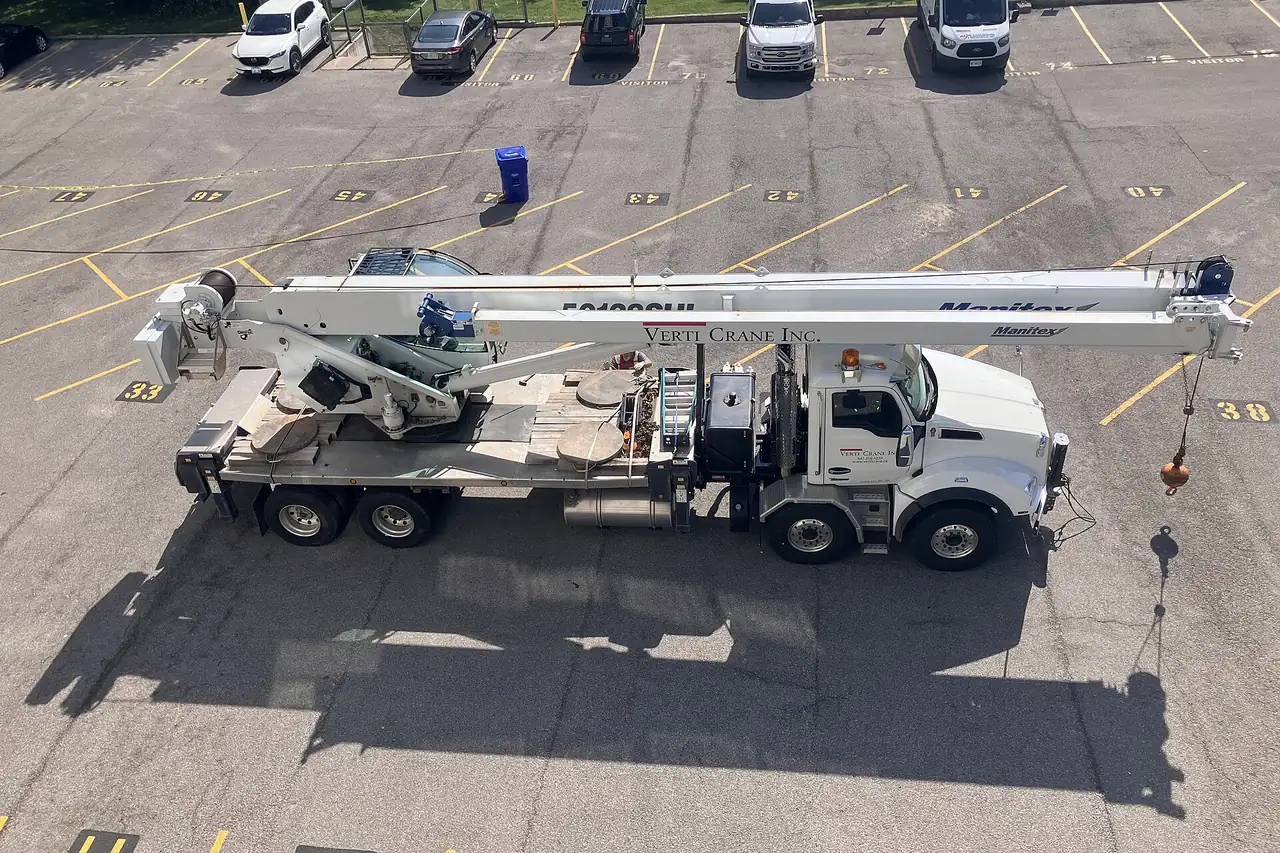
Ask for an operated lift
"Crane with operator" is already selected. Add the site, the load and the date.
We pass your request to independent local operators who quote you directly.