Rigging and signal personsin Brownsville
Riggers attach the load, signal persons direct the crane, and a lift plan ties them together. Say what you're lifting and who you already have; local crews quote you directly.
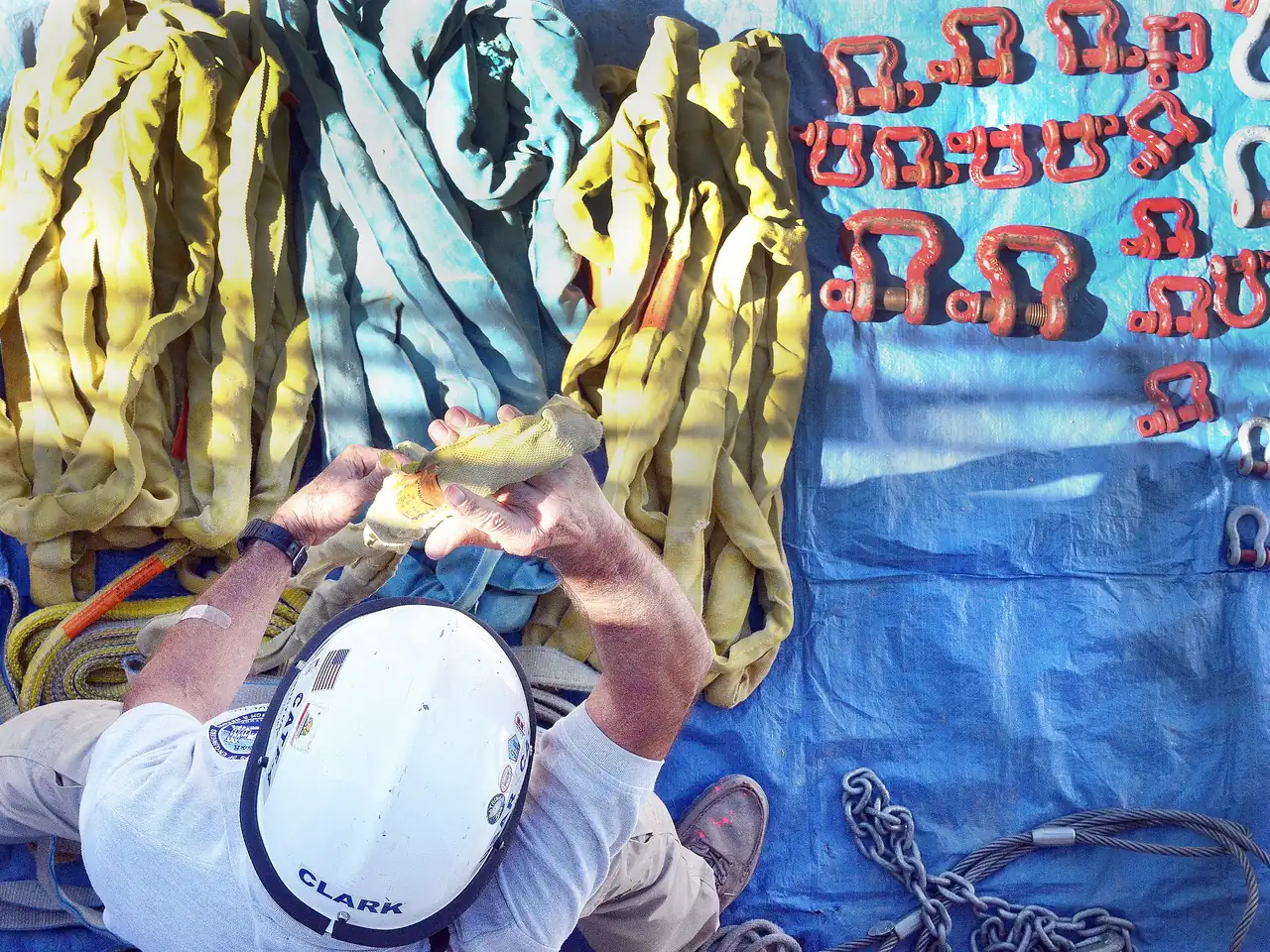
What a rigging crew does
Rigging can come with an operated crane, or on its own if you've rented a crane bare or already have one.
- Rigging the load
- A rigger chooses and inspects the slings, shackles and spreader bars, finds the pick points and attaches the load so it hangs level and doesn't shift.
- Signalling the crane
- A signal person stands where they can see the load and the landing point and directs the operator by hand signals or radio, so the operator isn't guessing.
- Planning the pick
- Weight, centre of gravity and sling angles decide what hardware is safe. Sling angle matters: the shallower the angle, the more force in each leg.
- Fitting the job
- Crews work to the crane operator's setup and your site's rules. Agree who does what in writing before the lift.
When you need a crew
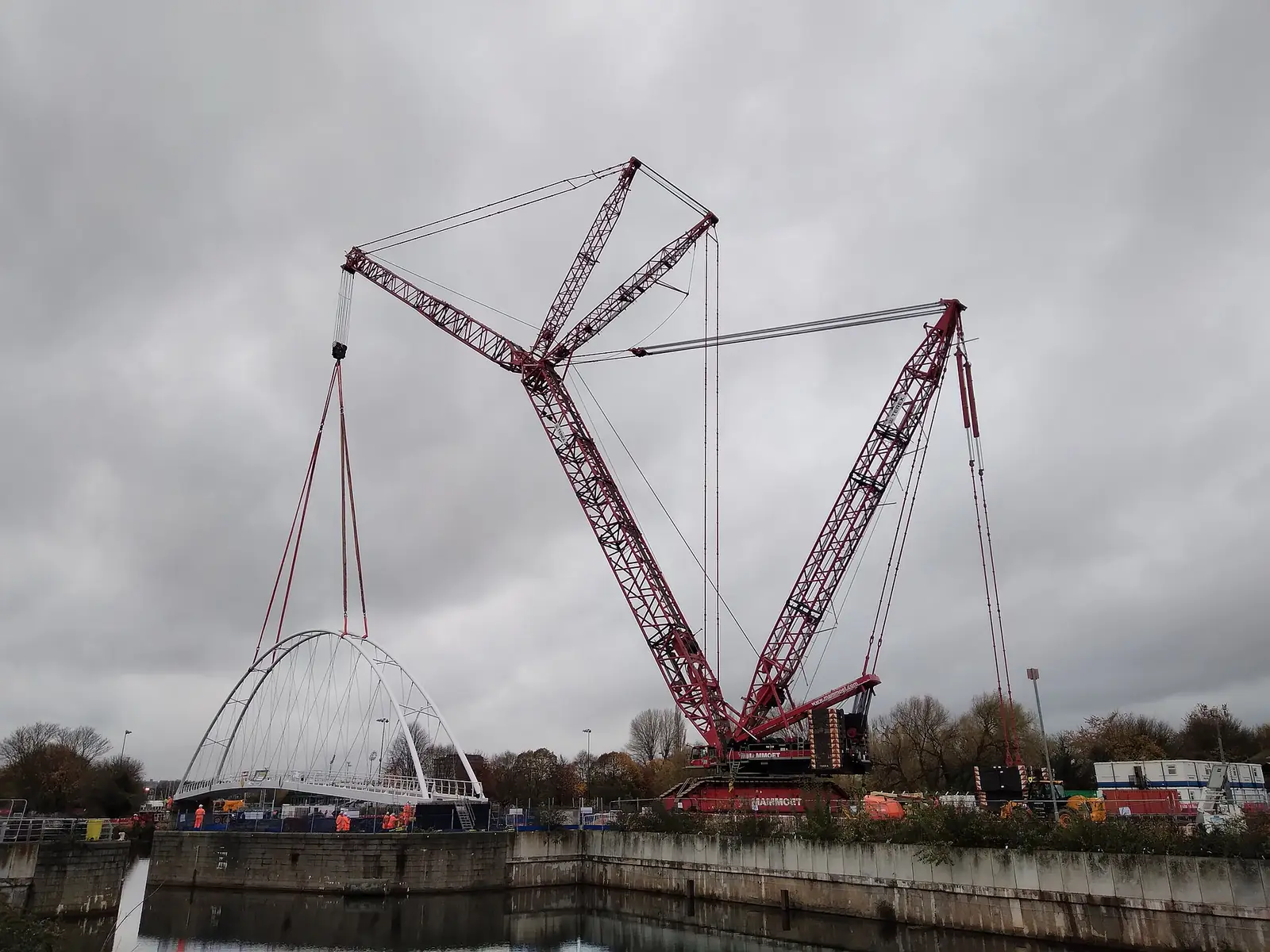
Crane-only rentals
If you rent a crane bare, you still need people to rig and signal. Ask for riggers in the same request.
Long or awkward loads
Steel, pipe and tanks that need spreader bars or multiple pick points to hang level.
Blind picks
Loads going behind a wall, onto a roof or into a pit, where the operator can't see the landing.
Equipment sets
Machinery, skids and electrical gear with lifting lugs and manufacturer's lifting instructions.
Tandem lifts
Two cranes sharing a load. These need a written plan and a crew that works to it.
Crew communication
Agree the signals, and the language the crew will use, before the first pick.
When OSHA requires a signal person
Federal crane rules for construction are in OSHA's 29 CFR 1926 Subpart CC. This is general guidance, not legal advice; the operator and your site safety lead decide how the lift runs.
- Load or landing out of view
- A signal person is required when the point of operation, meaning the load travel or the area at or near load placement, isn't in the operator's full view (29 CFR 1926.1419).
- Travel view blocked
- A signal person is also required when the crane is travelling and the operator's view in the direction of travel is obstructed.
- Site conditions
- And when the operator or the person handling the load decides that site-specific safety concerns make one necessary.
- Written lift plans
- Many contractors and plants ask for a written lift plan for heavy, tandem or critical lifts. Ask the operator and the site what they expect.
What to have ready
- Load weight and what it is, from the nameplate or shipping papers.
- Pick points: lifting lugs, eyes or the manufacturer's lifting instructions.
- Size and shape, and the centre of gravity if you know it.
- Where it starts and where it lands, and where a signal person can stand.
- The crane: which one, and who runs it.
- Site rules: badging, orientation, insurance certificate.
- Date and a site contact who will be there.
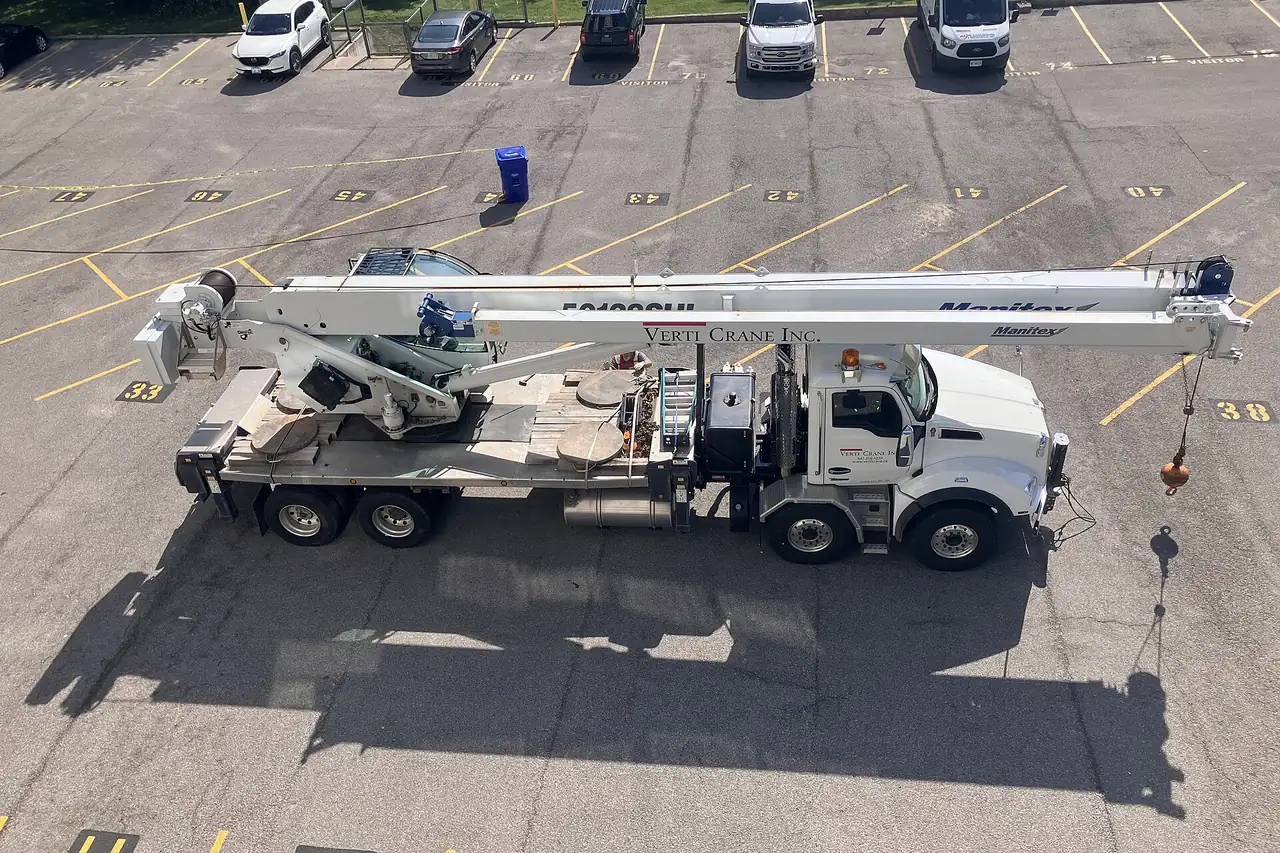
Rigging and signal person questions
Do I need a rigger if I rent a crane bare? A bare rental is the crane alone, so you supply the operator, and usually the rigging and signalling too. Ask for riggers in the same request if you don't have a crew.
Who provides the slings and shackles? Settle it in the quote: some crews bring their own hardware, others rig with what you have. Ask for the hardware to be inspected before use.
When is a signal person required? OSHA requires one when the load or landing point isn't in the operator's full view, when the operator's view in the direction of travel is blocked, or when the operator or the person handling the load decides site conditions call for one (29 CFR 1926.1419).
What is a lift plan? A written plan for how a lift will be done: the crane, the load and rigging, the setup and the people. Heavy, tandem or critical lifts and many industrial sites ask for one. Check what your site requires.
Can I book a rigger without a crane? You can ask. Choose "Rigging / signal person" in the form and describe the crane you have. Availability depends on local crews.
Can the crew work in Spanish? Mark Spanish in the request and we pass that on. Whether a crew works in Spanish depends on the operator. The form is also available en español.
Related crane services
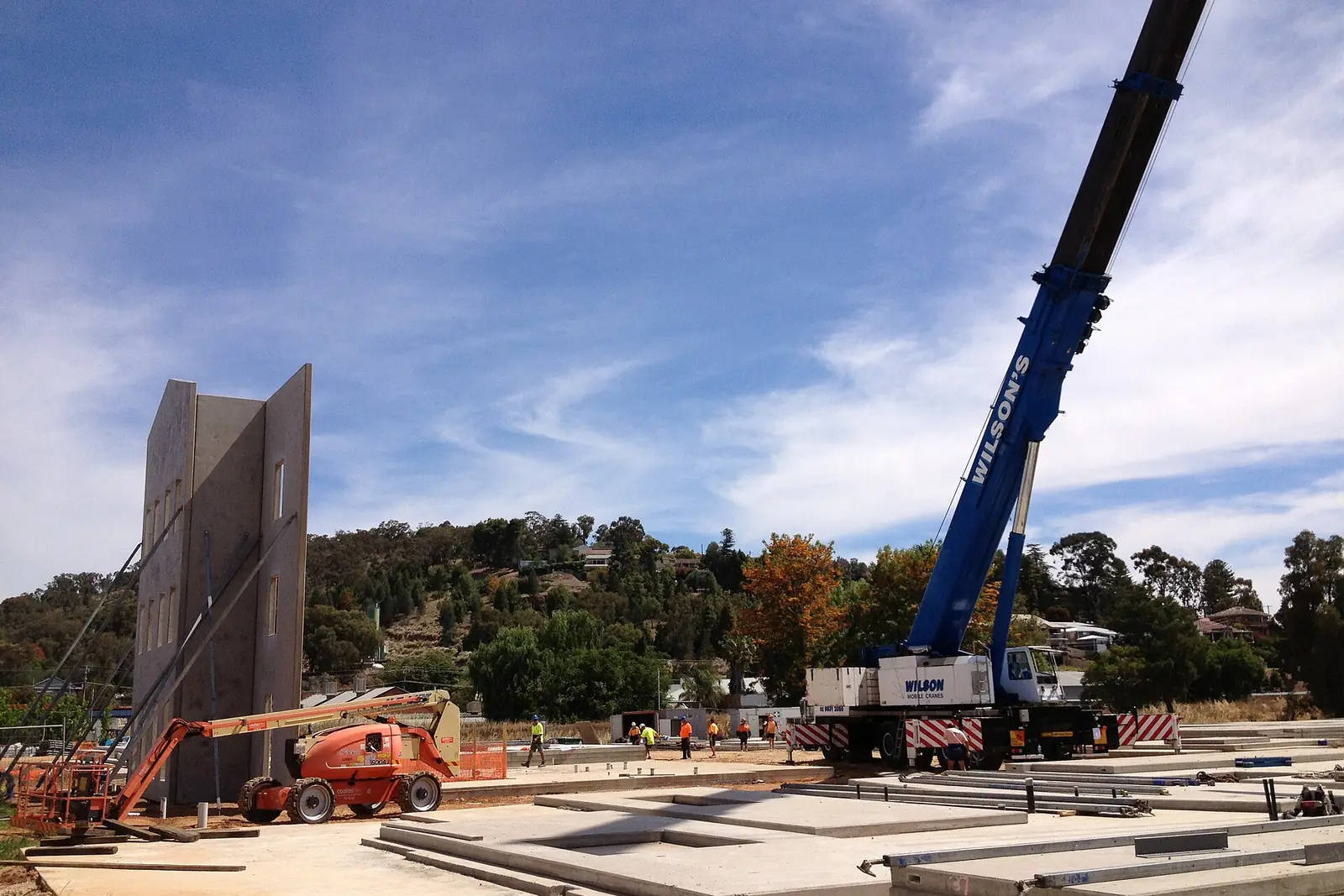
Ask for rigging help
"Rigging / signal person" is already selected. Add the load, the crane you have and what crew you need.
We pass your request to independent local operators who quote you directly.