Industrial and port liftsin Brownsville
Plant maintenance, equipment sets and work inside the gates at the Port of Brownsville and LNG project sites. Describe the lift and the site rules; local operators quote you directly.
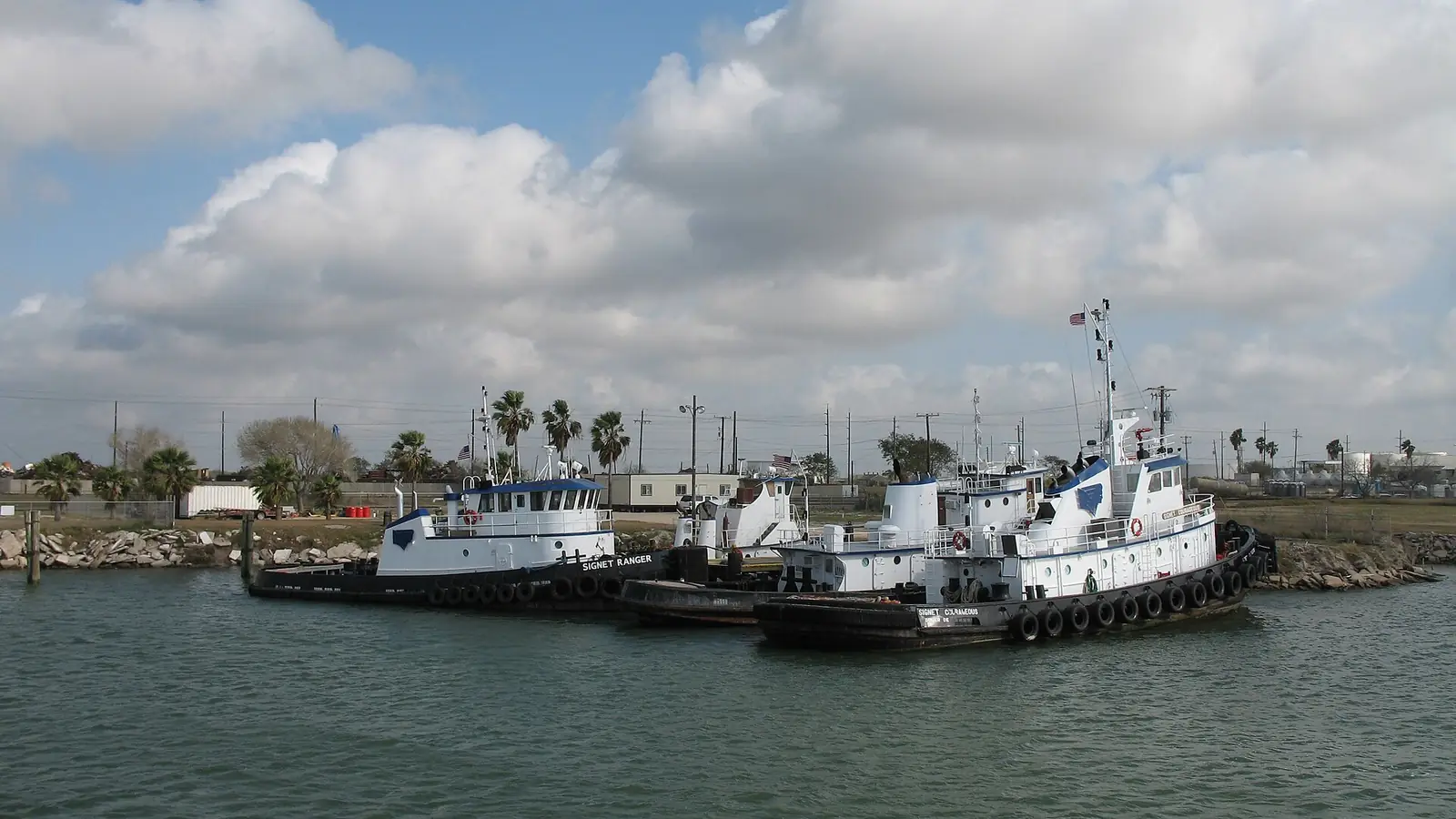
What industrial and port lifts involve
These jobs are usually planned further ahead than a rooftop pick, and the site's rules matter as much as the crane.
- Maintenance and turnarounds
- Pulling and setting pumps and motors, replacing equipment during a shutdown, and short pick windows that fit the plant's schedule.
- Equipment sets
- Skids, tanks, generators and electrical gear set onto pads, often with tight access and overhead lines or pipe racks nearby.
- Heavy or long-duration lifts
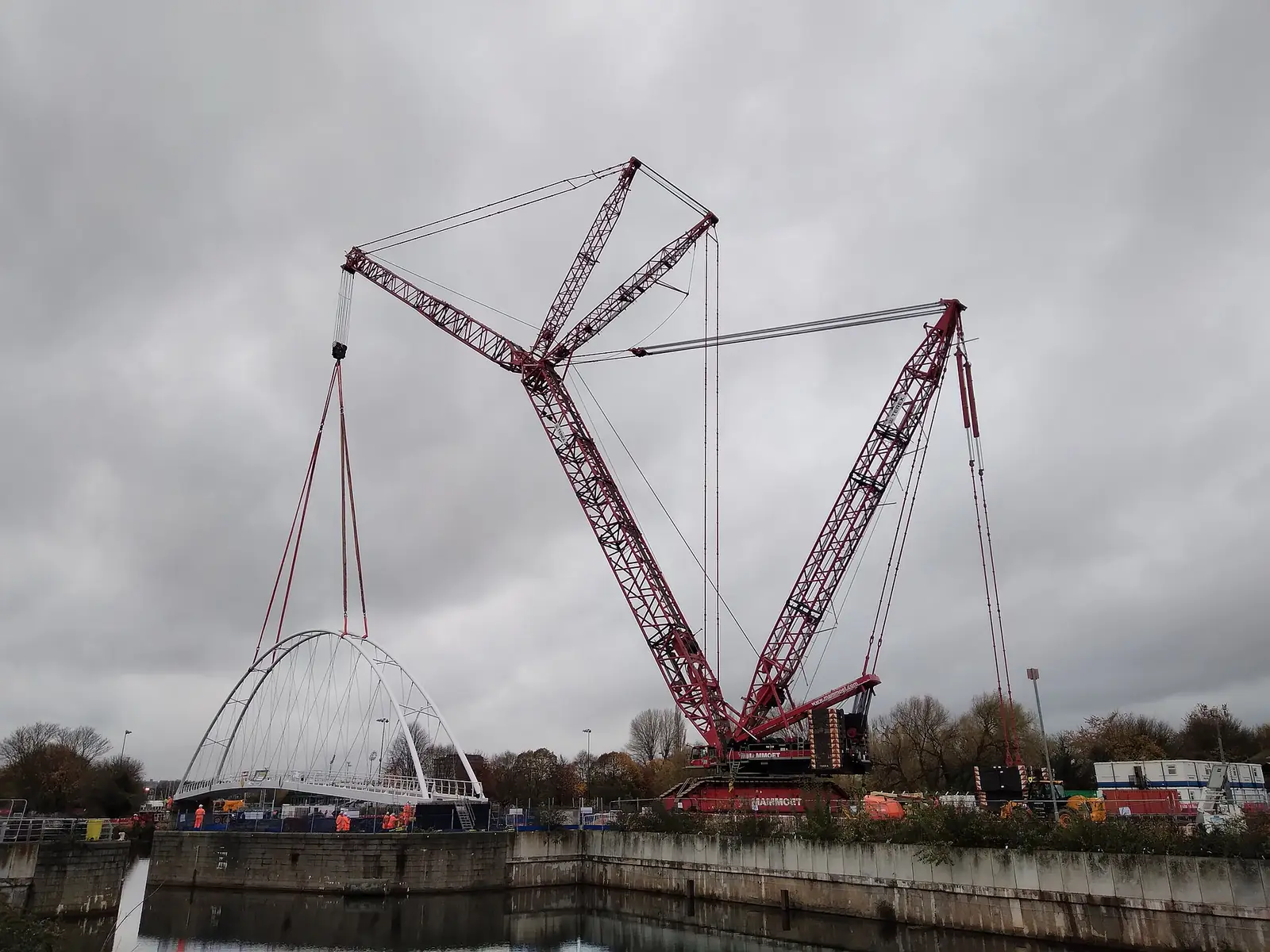
- Larger picks and multi-week jobs may call for a crawler or an all-terrain crane instead of a truck crane.
- Gated sites
- Port and project sites set their own entry rules. Say in the request that the job is inside a gate so operators who already work under those rules can answer.
Jobs of this kind
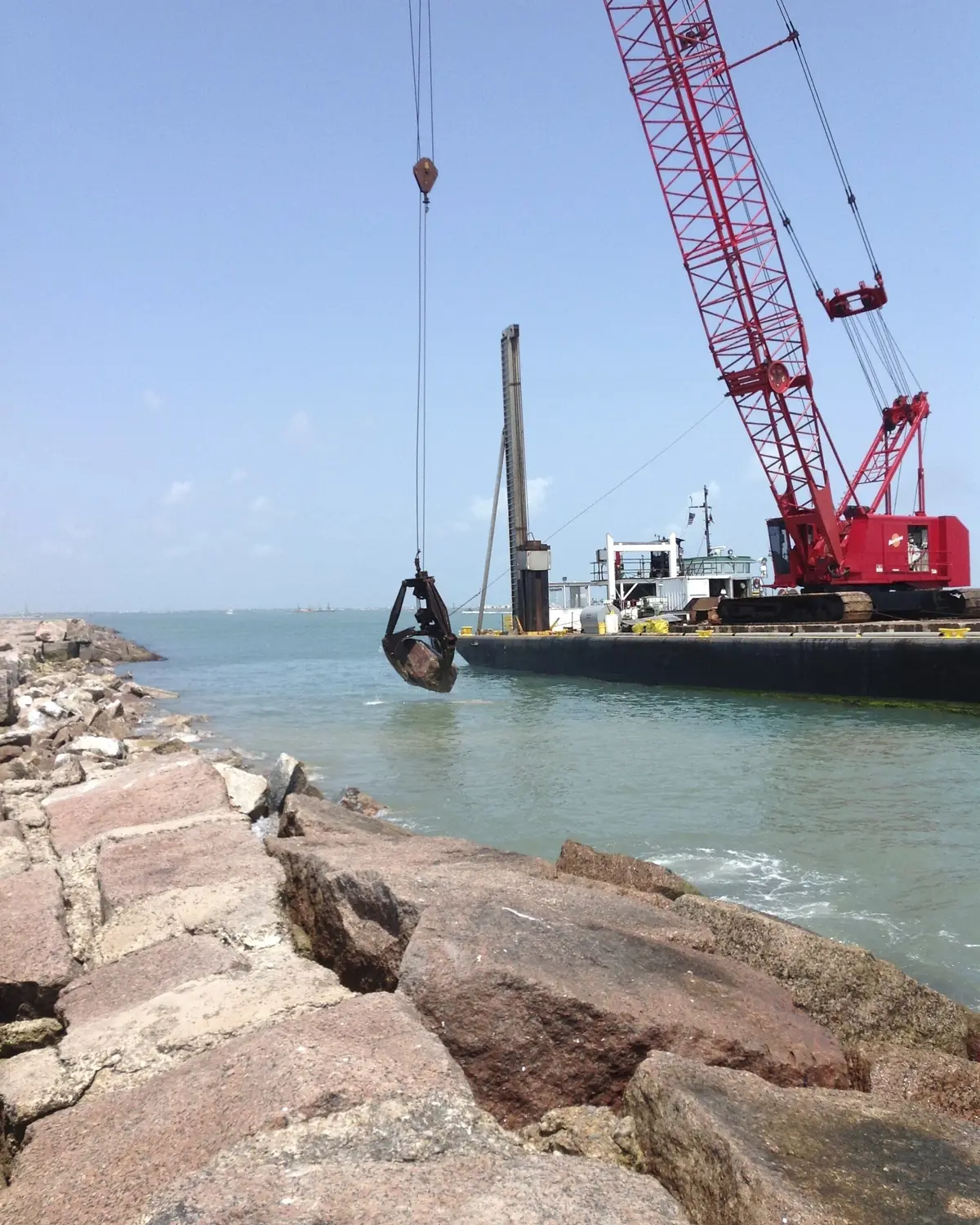
Plant maintenance lifts
Planned pump, motor and valve changes, and equipment pulled for repair and set back.
Skid, tank and vessel sets
Setting new equipment on foundations, with the pick planned against the plant layout.
Structural steel and pipe racks
Steel erection and pipe or conduit placement on industrial construction sites.
Laydown yards
Moving and staging material on gravel or caliche yards; see rough-terrain cranes.
Electrical gear
Transformers, switchgear and generators onto pads and into enclosures.
Port and marine work
Docks, jetties and barge work along the ship channel, where a crane may work from the water.
LNG construction at the port
- Rio Grande LNG
- Trains 1 to 5 under construction at the Port of Brownsville
- Phase 1
- Construction began July 2023 (NextDecade)
- First LNG
- Train 1 expected in the first half of 2027 (NextDecade)
- Jobs
- About 7,500 at peak construction and about 700 long-term (NextDecade estimates)
- Texas LNG
- Lump-sum EPC contract with Kiewit, March 2026
Two LNG export projects on the Brownsville Ship Channel mean more heavy construction near the port, and more contractors who need cranes, riggers and signal persons. We have no connection to either project; these figures are context, not a claim about any job.
Most lifts here are ordinary plant and construction work. If yours is inside a project gate, say so, and operators who work under those rules can answer.
Sources
- NextDecade: Rio Grande LNG project page
- NextDecade second-quarter 2026 business update
- Texas LNG and Kiewit sign EPC contract
Job and schedule figures are the developer's own projections.
What project sites often ask first
Site rules vary by project and employer, so treat this as a list of questions to ask, not a rule book. Federal crane rules for construction are in OSHA's 29 CFR 1926 Subpart CC; this is general guidance, not legal advice.
- Badging and orientation
- Many industrial and project sites require badging, a safety orientation and paperwork before a crane or crew enters. Ask who issues the badges and how long it takes.
- A written lift plan
- Heavy, tandem and critical lifts often need a written lift plan agreed with the site before the crane arrives. Ask the site what it expects.
- Power lines and equipment
- Overhead lines are checked at the work zone (29 CFR 1926.1408). On industrial sites, pipe racks, cable trays and live equipment need the same attention.
- Operator and insurance
- Operators on construction lifts must be trained, certified or licensed (29 CFR 1926.1427). Many sites also ask for an insurance certificate; ask the operator for it with the quote.
What to have ready
- Site entry rules: badge, orientation, work permit and who to call at the gate.
- Weights and dimensions, from the equipment drawings or nameplate.
- Set point: height, radius and what is around it.
- Lift plan or drawings, if the site or the engineer has them.
- The ground under the crane: pavement, caliche pad, or the foundation.
- Schedule: dates, shifts, and any shutdown window.
- A site contact reachable on the day.
Industrial and port lift questions
Do you take requests for the Port of Brownsville or LNG sites? Yes. Site access, badging and safety orientation are set by each project, so say in the request if the job is inside a project gate.
What do project sites ask before a crane comes in? Often badging, a safety orientation, a lift plan for larger picks, an insurance certificate and the operator's credentials. Ask the site and the operator early, because paperwork can take longer than the lift.
Do I need a written lift plan? For routine picks the operator works out the setup with you. Heavy, tandem or critical lifts, and many industrial sites, call for a written plan. Ask the operator and the site what they require.
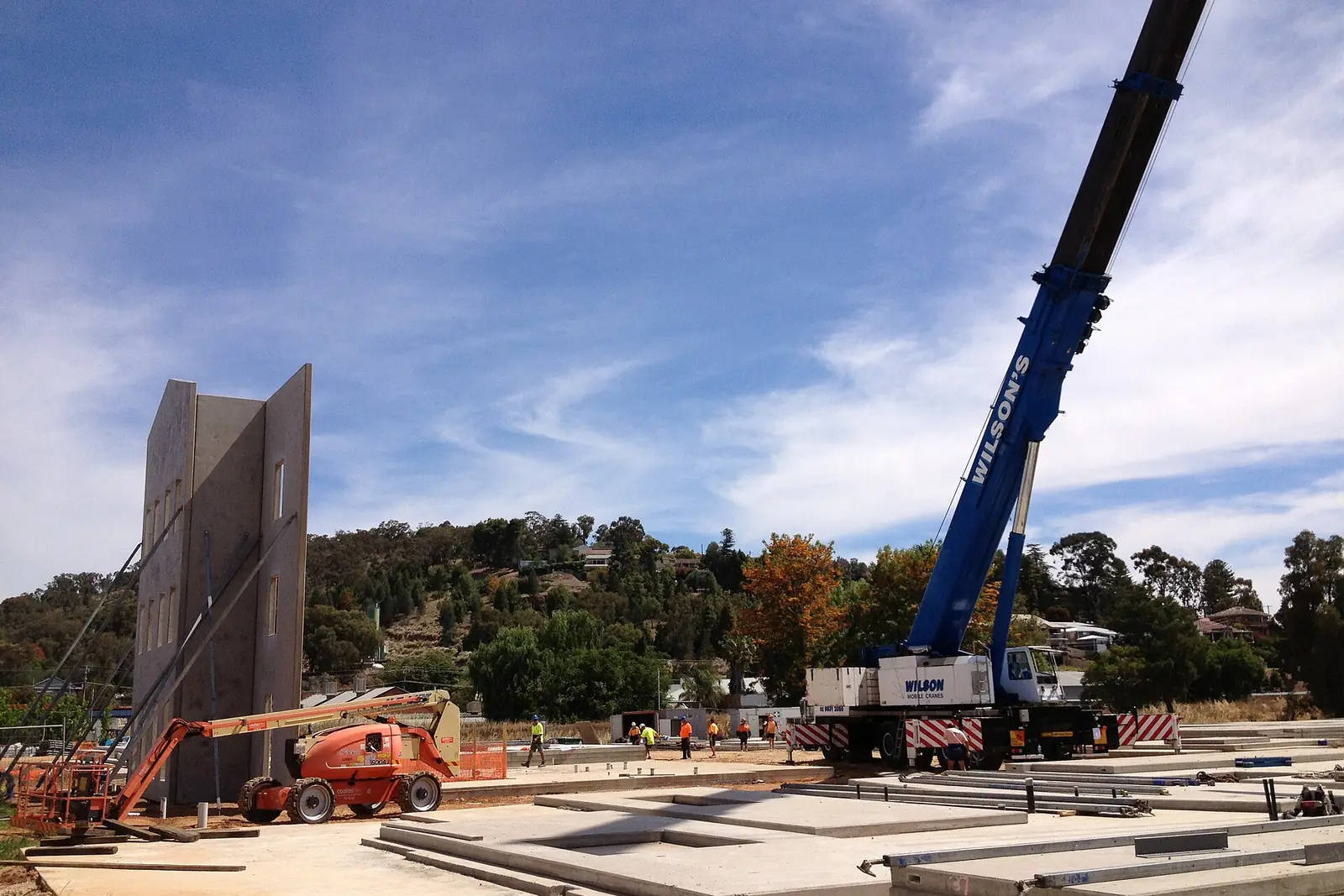
Which crane suits plant work? It depends on weight, reach and ground. Truck cranes work on paved areas; rough-terrain and all-terrain cranes handle yards; crawlers suit heavy or long jobs.
Can operators support a turnaround or multi-day job? Say the dates, shifts and duration in the request. Availability varies by operator, and nobody can promise a crane for a window before they've seen the job.
Are you connected to the LNG projects? No. We are a quote-request service. The LNG figures on this page come from the developers' own published updates and are their projections.
Related crane services
Ask for an industrial lift
"Industrial or port lift" is already selected. Add the lift, the site and any gate or badge rules.
We pass your request to independent local operators who quote you directly.