Mobile crane rentalin Brownsville, TX
A mobile crane is a hydraulic truck crane that drives to your site, sets its outriggers and lifts with a telescoping boom. Send the load, the height and the reach; local operators quote it operated or bare.
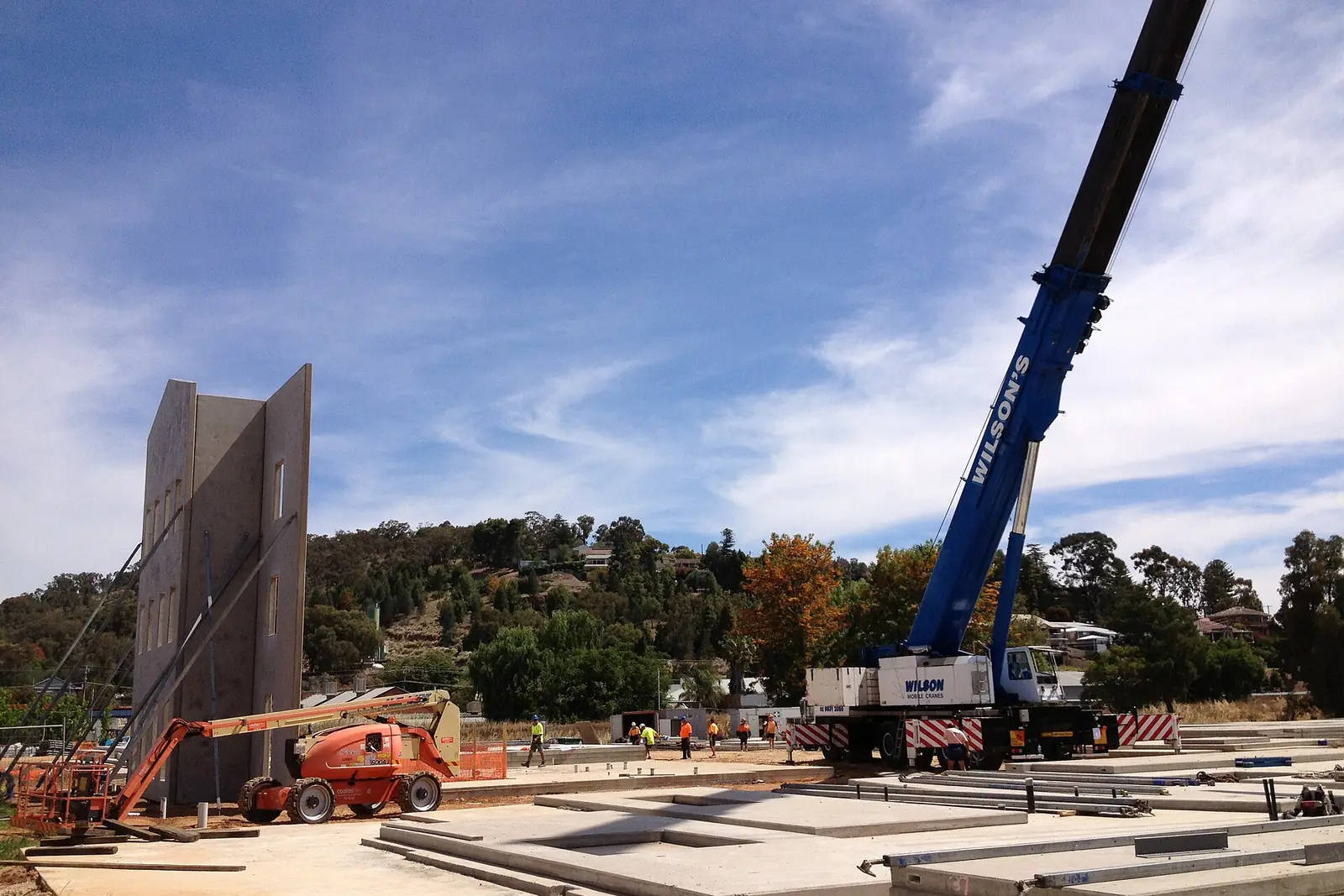
How a mobile crane is sized and set up
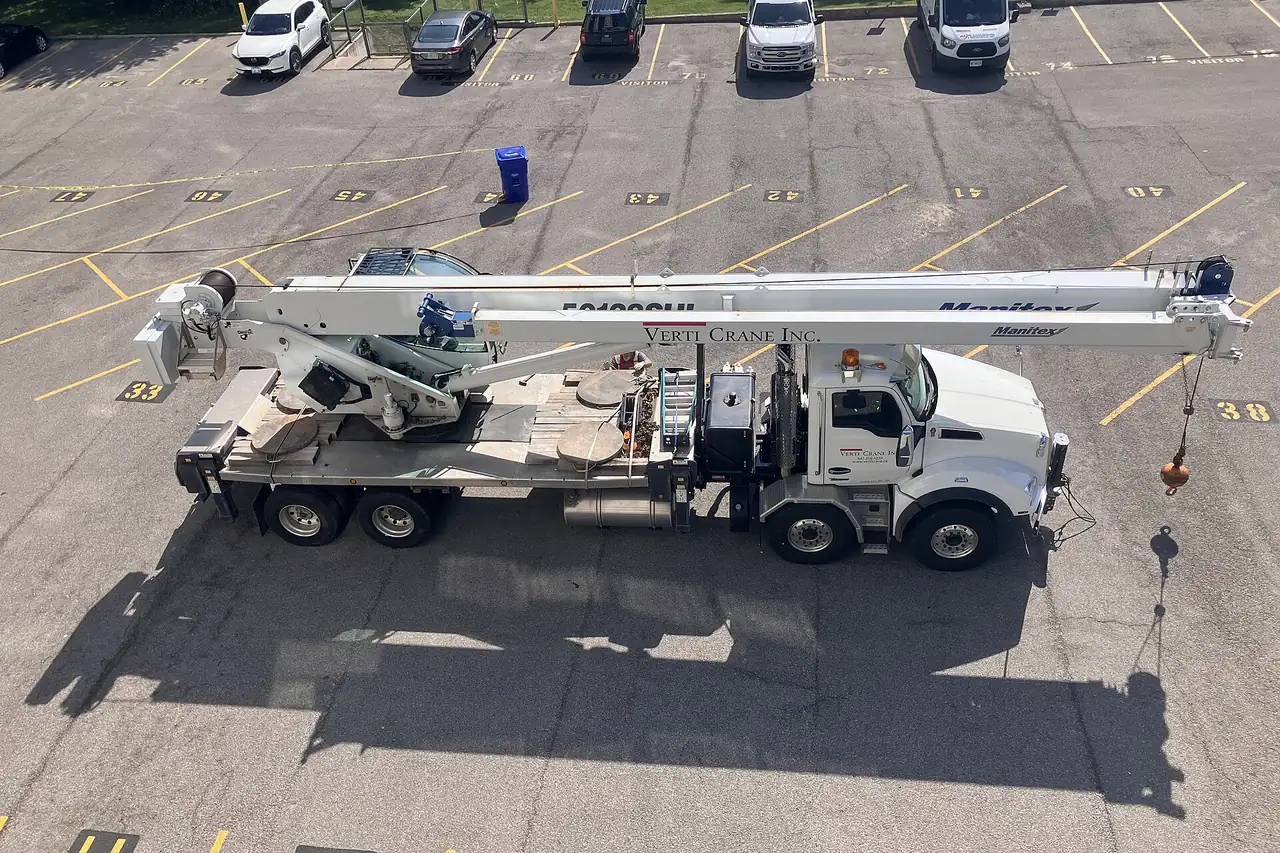
The other common option for lighter picks is a boom truck. For soft or unpaved ground, see rough-terrain cranes.
- It drives in and sets up
- The crane arrives on its own carrier, extends its outriggers, jacks itself level and raises a telescoping boom. Setup is part of the job, so quotes count the crew's time on site, not just the lift.
- Three numbers size it
- Operators size the crane from the weight of the load including rigging, the radius (how far the load sits from the crane) and the height. Capacity drops as the radius grows, so a crane that lifts a lot close in may lift little far out.
- Ground and mats
- The outriggers press the crane's weight onto small pads. Paved or compacted ground carries them; soft ground may need mats to spread the load. The operator makes that call.
- Access decides what arrives
- Gate width, turning room, low wires and road weight limits decide which cranes can reach the pad. Send photos of the entrance.
- Operated or bare
- An operated rental includes the operator, and a rigger or signal person if you ask for them. A bare rental is the crane alone, run by your own certified operator (29 CFR 1926.1427).
Who books a mobile crane
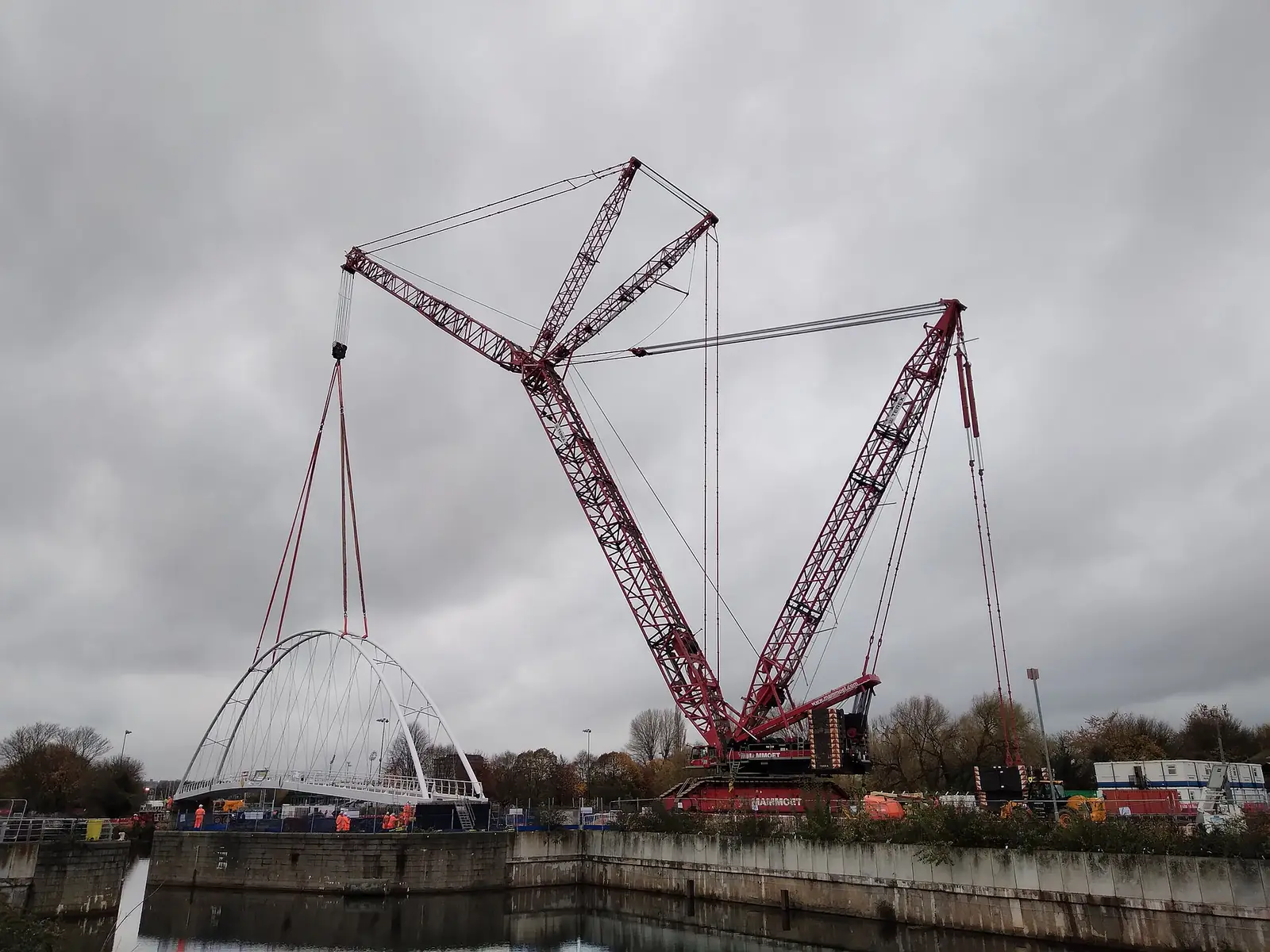
Steel and truss setting
General contractors and steel erectors setting beams, joists and trusses, often over a day or two.
Rooftop equipment
HVAC contractors setting units that are heavier or farther than a boom truck handles.
Precast and tilt-wall panels
Wide, heavy panels where ground preparation matters as much as the crane.
Solar and electrical
Solar installers and electrical contractors setting racking, inverters, transformers and switchgear.
Tanks, pumps and skids
Equipment sets at plants and yards, and pulling pumps or motors during maintenance.
Construction support
Moving materials, forms and equipment around a site where hand or forklift work won't do.
Rules and site checks
Federal crane rules for construction are in OSHA's 29 CFR 1926 Subpart CC. This is general guidance, not legal advice; the operator and your site safety lead decide how the lift runs.
- Power lines
- The work zone is checked for whether any part of the crane or load could come within 20 feet of a power line at full radius; if so, more precautions apply (29 CFR 1926.1408).
- Signals
- A signal person is required when the load or landing point is out of the operator's full view, among other cases (29 CFR 1926.1419).
- Insurance paperwork
- Many contractors and plants ask for an insurance certificate naming them as additional insured. Ask the operator to send it with the quote.
- Site rules
- Gated and project sites set their own badging and orientation. Say in the request if yours does.
What to have ready
- Load weight, including rigging if you know it.
- Set point: how high, and how far it is from where the crane can park.
- The ground under the crane: paved, caliche, dirt, near a ditch or slope.
- Access: gate width, overhead clearance and road limits.
- Overhead lines or trees between the crane and the load.
- How many picks and how long: a few hours, a day or several days.
- Date and a site contact who will be there.
Sketch your lift
Set the weight, the height and the distance from the crane roughly, then add them to your request in one tap.
A load of about 6,000 lb, set 40 ft up and 30 ft out from the crane.
This is a sketch, not a load chart. The operator sizes the crane from your numbers, the rigging and the ground it sets up on.
Mobile crane questions
What is the difference between a mobile crane and a boom truck? A mobile crane is the larger machine, built for heavier loads, longer reach and greater height. A boom truck is a smaller crane mounted on a truck bed for lighter picks.
How do operators decide which size to send? From the weight of the load with its rigging, the distance from the crane to the set point and the height, checked against the crane's load chart. Accurate numbers get a more accurate quote.
Can a mobile crane work on soft ground? Sometimes, with mats under the outriggers. On unpaved or uneven sites ask about a rough-terrain crane. The operator makes the call after hearing about the ground.
Do I need to supply anything? Agree it in the quote: who provides mats, who rigs, who signals and who handles gate access or traffic. Don't assume; write it down.
Is a bare rental allowed? Bare rentals exist, but they put the operator, certification and rigging on you. If you're unsure, ask for an operated lift.
Can the lift be done in Spanish? Mark Spanish in the request and we pass that on; whether the crew speaks it depends on the operator. The form is also available en español.
Related crane services
Ask for a mobile crane
"Mobile / truck crane" is already selected. Add the load, the site and the date.
We pass your request to independent local operators who quote you directly.